
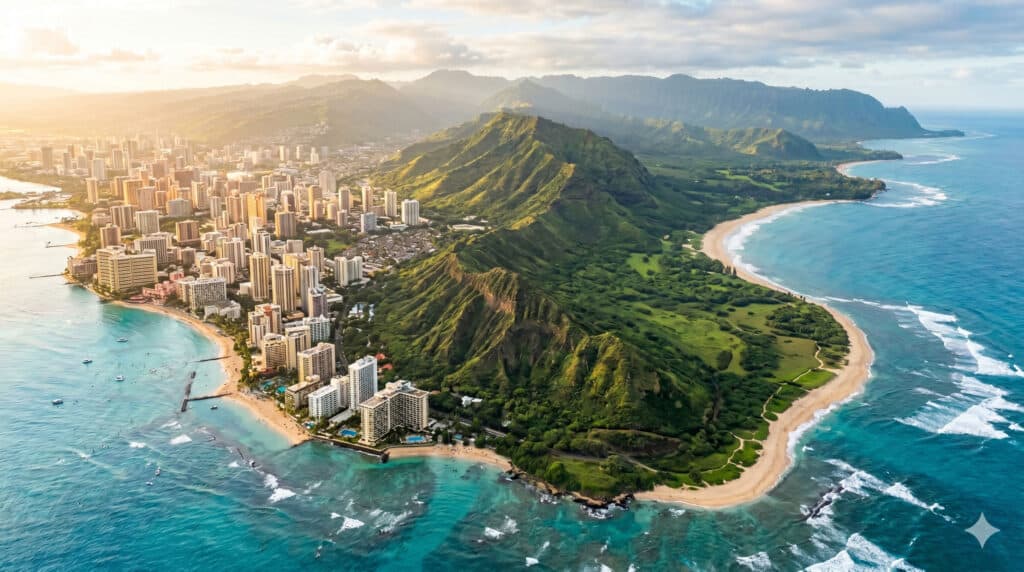
Most people pick one hotel in Waikiki and stay put the whole trip. Nothing wrong with that — until you talk to someone who split their week between Waikiki and the North Shore, or who did a few nights at Ko Olina before rolling into town, and you realize you may have shortchanged yourself. First-timers especially tend to anchor in one spot, which makes sense — Oahu is unfamiliar and Waikiki feels safe. But here’s the thing: Oahu has genuinely different worlds packed into one island, and the people who hotel hop across its neighborhoods consistently say they got more out of their trip than anyone who stayed in a single zip code. That’s not just my experience. Hotels.com data from the Expedia Group’s Unpack ’26 report found that 54% of global travelers now plan to book multiple hotels within a single destination on the same trip — and they cite exploring different neighborhoods as the top reason, ahead of even saving money. Oahu is built for exactly this strategy.
Why Hotel Hopping Oahu Neighborhoods Actually Works
Oahu is a small island — the whole thing is about 44 miles long — but the contrast between its neighborhoods is remarkable. Waikiki is urban, walkable, and packed with hotels, restaurants, and surf schools. The North Shore is farmland and food trucks and world-famous waves. Ko Olina is a manicured resort enclave on the island’s west side with calm lagoons and almost no traffic noise. Kailua, on the windward coast, feels like a different island entirely — shaded streets, a farmers market, and the kind of beach that makes people question why they ever booked Waikiki in the first place.
You can day-trip to all of these from Waikiki. But staying overnight — even for just two nights — is a different experience. The North Shore empties out by 9 p.m., and the morning is quiet in a way that has nothing in common with waking up in Waikiki to garbage trucks and roosters. Ko Olina at sunset, when the lagoon goes orange and the crowd has thinned, is a genuinely calming experience you don’t get commuting back to the hotel strip at 7 p.m. Hotel hopping in Oahu isn’t about being indecisive. It’s about not leaving an experience on the table when the island literally offers this much variety.
The Best Hotel Hopping Oahu Combinations by Traveler Type
Not every combo works for every trip. The right hotel hop depends on how long you’re staying, whether you’re renting a car, and what you actually want from Hawaii. Here’s how I’d break it down.
Waikiki + North Shore (Best for First-Timers and Surf Enthusiasts)
This is the most popular hotel hop on Oahu, and for good reason. You start in Waikiki for three to five nights — hit the beach, do Pearl Harbor, hike Diamond Head, get your bearings — then move to the North Shore for two to three nights and feel what the rest of the island actually looks like. The North Shore is about 50 minutes from central Waikiki without traffic, longer on weekday mornings. You need a car for this one; there’s no practical way to move between the two without one.
Accommodation options on the North Shore are limited compared to Waikiki — which is part of the appeal. Turtle Bay Resort is the main hotel property, sitting right on the water with surf access and horseback riding on-site. Beyond that, you’re looking at vacation rentals, B&Bs, and a handful of small inns scattered between Haleiwa and Kahuku. Book early, especially for summer and December through February when the big surf brings crowds. Haleiwa town itself has great breakfast spots, Matsumoto’s shave ice, farmers market energy, and the kind of vibe that makes a Waikiki lobby feel very far away. This is the combo that most travelers say they’d do again — and the one they wish they’d done on their first trip.
Ko Olina + Waikiki (Best for Families and Couples Wanting Both Worlds)
Ko Olina sits on Oahu’s west side, about 40 minutes from Waikiki. It’s home to four man-made lagoons with calm, protected water — genuinely ideal for young kids or anyone who wants to swim without worrying about waves. The resort options here are a cut above Waikiki’s mid-range: Aulani (Disney’s Hawaii resort), the Four Seasons Resort Oahu at Ko Olina, and the Marriott Ko Olina Beach Club are the anchors. Expedia’s Unpack ’26 report actually named the Ko Olina to Waikiki hop as one of its featured Honolulu hotel hop routes specifically.
The sequencing matters here. Most people do Ko Olina first — arrive jet-lagged, enjoy two nights of resort calm and lagoon time, then move into Waikiki for the second half of the trip when you’re ready for more action. Doing it the other way (Waikiki first, Ko Olina second) also works if you want to decompress at the end. Ko Olina is isolated, so plan for limited dining variety and higher on-property prices. There’s a grocery store and a few restaurants in the development, but you’re not walking to a neighborhood strip the way you are in Waikiki. Budget for it, and enjoy the quiet.
Waikiki + Kailua (Best for Couples and Repeat Visitors)
Kailua doesn’t have hotels in the traditional sense — short-term rental rules on Oahu restrict most vacation rentals to resort-zoned or designated areas, and Kailua is not one of them. But the vacation rental market there operates within the rules, and there are licensed properties available. The windward side of Oahu is a completely different climate — greener, a bit more rain, and dramatically less touristy. Kailua Beach is consistently rated among the best beaches in the United States. It’s wider, cleaner, and far less crowded than Waikiki. Lanikai Beach, just down the road, is one of those places that doesn’t seem real.
This hop works best for people who’ve already done Waikiki and want to see what the island actually feels like for people who live there. You’ll need a car. The drive from Waikiki goes over the Pali Highway through the Ko’olau Mountains — take your time, because the views through the tunnels and overlooks are worth the extra ten minutes. Two nights in Kailua with a day trip to the Byodo-In Temple or Kualoa Ranch, and you’ll leave with a very different picture of Oahu than the one most travel guides sell.
Hotel Hopping Logistics: What to Actually Plan For
The biggest friction point with hotel hopping in Oahu is the move day itself. Here’s how to make it smooth. Most hotels don’t allow early check-in without paying for it, so if you’re leaving Waikiki at noon and your North Shore rental doesn’t open until 3 p.m., you’ve got a three-hour window with your luggage. The fix: leave big bags in hotel storage, drive up to the North Shore, grab lunch at one of the shrimp trucks on Kamehameha Highway, explore a bit, and check in when the property is ready. It turns a logistics headache into part of the day.
A rental car is necessary for any hop outside Waikiki. TheBus covers the whole island and costs about $3 per ride, but it’s slow — the trip from Waikiki to Haleiwa takes around 90 minutes with the right connection. For two people, a rental car for even three days often costs less than the Uber equivalent, and gives you the flexibility to stop whenever you want. Car rental and parking costs in Waikiki add up fast, so weigh whether you need it for your whole trip or just for the move days and exploration segments. One practical approach: Uber from the airport to Waikiki, skip a car for the first few nights, then pick one up specifically for your hotel hop segment.
When booking properties, check cancellation policies carefully — especially for vacation rentals on the North Shore or windward side, which often have stricter terms than hotel chains. Book each leg separately rather than through a package; you’ll have more flexibility and can often find better rates per property. If you’re doing a longer trip, a structured itinerary for each neighborhood segment keeps the logistics from eating your vacation time.
The Hidden Perk: Better Value Across the Trip
Hotel hopping isn’t only about seeing more of Oahu — it can genuinely stretch your budget. Thirty-five percent of hotel hoppers in the Expedia research cited finding better deals as a motivation, and that tracks with how Oahu pricing actually works. Waikiki has the deepest inventory of any area on the island, which means more competition and more price variation. The North Shore’s limited supply can mean higher nightly rates for peak periods, but off-season the same vacation rental that ran $300 in winter drops to $150 in summer. Ko Olina’s luxury properties often have packages that make the nightly rate more reasonable than comparable Waikiki luxury options.
There’s also the resort fee factor. Most Waikiki hotels charge resort fees ranging from roughly $35 to $55 per night on top of the room rate — fees that cover things like pool access and WiFi you’d get for free in most vacation rentals elsewhere. When you move to a North Shore rental or Ko Olina property, that fee math changes. Factor resort fees into your total accommodation budget when comparing nightly rates across neighborhoods — the headline price and the real price can look very different. A $200 Waikiki room with a $45 resort fee is actually a $245 night; a $230 vacation rental on the windward side with no add-ons is genuinely cheaper.
What to Know Before You Book Your Oahu Hotel Hop
A few practical notes that save headaches. The North Shore’s best swimming season runs from roughly May through September, when the winter swells flatten out and the water calms down. December through February, those swells are enormous — fantastic for watching professional surfing competitions at Pipeline and Sunset Beach, but not for casual swimming. If you’re planning a North Shore hop in winter, adjust your water expectations accordingly and build in time to watch the surf rather than be in it.
Ko Olina’s lagoons are calm year-round — they’re man-made and specifically designed for swimming. Waikiki Beach proper is generally safe for average swimmers year-round, though surf conditions vary. Check the Hawaii surf report before committing to any water plans. For packing between properties, one well-organized carry-on plus a mid-size checked bag is the sweet spot — you want to move without repacking everything each time. And a word on Waikiki itself: if you’re starting and ending there, you can leave the car behind for the Waikiki segment entirely and walk or ride-share to everything on the main strip, saving yourself daily parking fees that run $40 to $50 in most hotel garages.
Frequently Asked Questions About Hotel Hopping in Oahu
Is hotel hopping in Oahu practical for a 7-day trip?
Yes — a 7-day trip is actually the ideal length for a two-stop hop. Five nights in Waikiki and two nights on the North Shore, or four and three, gives you enough time in each area to feel settled rather than just passing through. Trips shorter than five nights total are harder to split effectively because move days eat into your time.
Do I need a rental car for hotel hopping between Oahu neighborhoods?
Yes, for any hop outside of Waikiki. TheBus connects most of the island, but travel times are long and luggage management is awkward on public transit. A rental car for two to three days during the hop segment — rather than the whole trip — is usually the most cost-effective approach. Waikiki itself is walkable and doesn’t require a car.
What’s the most popular hotel hop combination on Oahu?
Waikiki plus the North Shore is the most common, favored by first-timers and repeat visitors alike. Expedia’s Hotels.com division specifically highlighted the Ko Olina to Waikiki hop as a recommended Honolulu combination in their 2026 travel trends report, with the Four Seasons at Ko Olina and Wayfinder Waikiki as a featured pairing.
Are there hotels on the North Shore of Oahu?
Turtle Bay Resort is the main hotel property on the North Shore, located near Kahuku on the island’s northeastern tip. Beyond that, accommodations are primarily vacation rentals, B&Bs, and small inns. Options are limited compared to Waikiki, so booking early — especially for winter surf season and summer — is important.
How far is Ko Olina from Waikiki?
Ko Olina is roughly 40 minutes from Waikiki by car under normal traffic conditions, located on Oahu’s leeward (west) side. Morning rush hour toward Honolulu can add time if you’re driving eastbound. The drive is straightforward via H-1 West.
Should I stay in Waikiki first or the North Shore first when hotel hopping?
Waikiki first is the standard recommendation, especially for first-time visitors. Landing in Waikiki lets you orient yourself, get over jet lag with easy access to food and activities, and handle logistics like car rentals before heading to a less infrastructure-heavy area. Saving the North Shore for the second half also gives you something to look forward to mid-trip.
Oahu rewards the curious — and the people who move around it tend to leave with a fuller picture of what Hawaii actually is, not just what Waikiki tells you it is. Whether you add two nights at Turtle Bay, shift your first days to a Ko Olina lagoon, or chase down a Kailua rental for some windward quiet, you’re giving yourself something the single-hotel approach doesn’t offer: a real sense of the whole island. Start planning your neighborhood-by-neighborhood Oahu trip with our 5-day Waikiki itinerary as a base, then build your hop from there.