
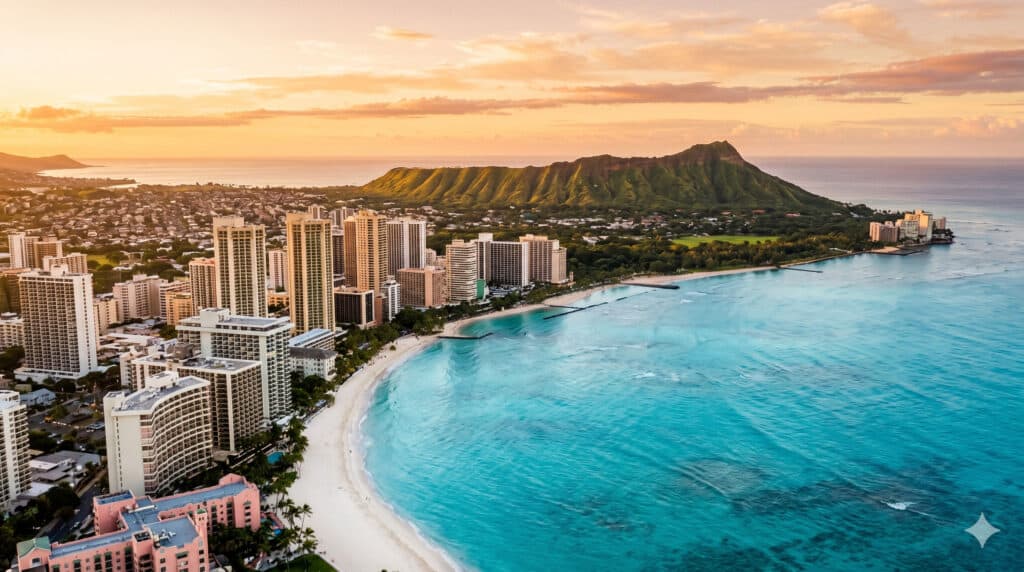
The most common Waikiki vacation mistake is painfully obvious once you’ve made it: you pack too many activities into too few days, and you arrive home more exhausted than when you left. I’ve watched it happen on every trip — someone with a color-coded itinerary, pre-booked excursions for every single day, and a general sense of low-grade panic by day three.
The fix is simple but counterintuitive: rest first, then explore. This 10-day Waikiki itinerary is built around that principle. The first half of the trip is deliberately slow. The second half earns its adventures. The result is a vacation that actually feels like a vacation — not a sprint through paradise.
Whether you have 7 days or 12, this framework adapts. The day-by-day breakdown below is a starting point, not a rigid schedule you’ll feel guilty for deviating from. (If you’re working with less time, our 5-day Waikiki itinerary is a solid shorter framework built on the same logic.)
The Relaxation-First Formula
Before the day-by-day breakdown, here’s the pacing structure that holds everything together:
- Days 1–4: Beach, pool, food, rest. Zero guilt. This is the decompression phase.
- Days 5–10: Every other day includes a half-day or full-day of real exploration.
- 1–2 full days reserved for bigger excursions — North Shore, Pearl Harbor.
Why does this work? Because you enjoy a morning hike dramatically more when you’ve actually slept for four nights first. A well-rested person and an exhausted person standing at the top of Diamond Head are having completely different experiences. And Waikiki’s beach is good enough that a “nothing day” is never wasted — it just feels like vacation the way vacation is supposed to feel.
If you have fewer than 10 days: keep Days 1–4 as-is, then pick the exploration days that appeal most. A 7-day version works beautifully with two half-day adventures and one full North Shore day.
Before You Leave: Planning Moves That Actually Matter
A little prep 3–6 weeks before departure saves real money and real stress once you’re on the ground. Here’s what’s worth doing early.
Flights: Use Google Flights’ fare calendar and flex your dates by a day or two if you can. Shoulder season — late April through early June, and September through mid-November — typically offers the best combo of weather, pricing, and thinner crowds than peak summer or winter holiday weeks.
Hotel and resort fees: When comparing hotels, factor in resort fees, which can run $35–$60 per night on top of the base room rate. A hotel that looks cheaper at the search results level often isn’t when you add fees at checkout. Compare total cost, not rack rate. Booking directly with the hotel sometimes provides better cancellation flexibility than third-party sites — worth checking both.
Travel insurance: For a 10-day Hawaii trip — especially if you’re booking flights and hotels months in advance — travel insurance is worth a serious look. Flight disruptions, medical situations, and weather events happen, and Hawaii is not a short trip to reschedule on the fly.
Reservations to lock in early: Three things require advance booking before you arrive. Diamond Head reservations open within the 30-day window and sell out — set a reminder. Hanauma Bay reservations open just 2 days ahead at 7 a.m. Hawaiʻi time — they go fast, so be ready. Any special-occasion dinner you’re planning should be booked before you leave home; the best tables in Waikiki fill weeks out.
Airport to hotel: For arrival day logistics, our Honolulu airport to Waikiki transportation guide covers every option — rideshare, TheBus, shuttle, and taxi — with current pricing so you know what to expect.
Packing: Hawaii bans sunscreens containing oxybenzone and octinoxate — buy reef-safe SPF before you leave so you’re not scrambling at a Waikiki pharmacy. Our Waikiki packing checklist covers everything from rash guards to the right shoes for hike days.
Where to Stay and How to Get Around
Where you stay in Waikiki shapes your experience more than most people expect, because the neighborhood has distinct zones with genuinely different vibes.
Central and east Waikiki — near Kalākaua Avenue, the Royal Hawaiian, and the Waikiki Beach Walk area — puts you in the middle of the energy. More restaurants immediately accessible, more people, more activity. West Waikiki, near Fort DeRussy and Hilton Hawaiian Village, runs a bit quieter, still walkable to everything, and feels slightly less like living inside a tourist corridor. My personal preference is the Fort DeRussy zone: easy beach access, good walkability, without the density of the busiest blocks on the strip.
For getting around: don’t rent a car for the whole trip. Waikiki is extremely walkable, and rideshare handles most evenings easily (watch for surge pricing between 6–7:30 p.m. near restaurants). The smarter move is to rent a car only on the days you’re leaving Waikiki for excursions — North Shore, Pearl Harbor, Kailua. You’ll skip hotel parking fees ($40–$60/night at most Waikiki properties) on every day you don’t need wheels.
The 10-Day Waikiki Itinerary, Day by Day
This is a flexible framework — not a fixed schedule. Swap days around based on your group’s energy, weather, and what sounds exciting. For more activity ideas throughout your stay, see our full Waikiki things-to-do guide.
Days 1–2: Arrive and Actually Rest
Day 1: check in, unpack the essentials, and get outside. A sunset walk along Waikiki Beach on your first evening is one of those simple moments that sets the whole tone of a trip. Find somewhere for dinner that feels like a celebration — a view of the water, something on the menu you can’t get at home. You made it. Don’t overthink it.
Day 2: sleep in without guilt. Beach in the morning, pool in the afternoon. Book one dinner reservation tonight if you didn’t land one last night — sunset seating at anything beachfront fills fast. Low effort, high reward. This is the whole point of Day 2.
Day 3: Find Your Waikiki Rhythm
Stroll the beach path without a destination. Browse the International Market Place with no agenda. Find a shave ice shop and take your time with it. Wander into a happy hour that turns into dinner. This day is deliberately unscheduled — let the pace of island life sink in before you start adding activities.
Day 4: Beach Morning, Memorable Dinner
Still in the decompression phase, but tonight earns an upgrade. This is the night to commit to something you’ll actually remember: Karai Crab for a fun, hands-on, messy-in-the-best-way experience, or Azure at the Royal Hawaiian if you want beachfront dining done seriously well. Our Waikiki restaurant guide has options across every budget and vibe.
Day 5: Your First Adventure Half-Day
Pick one morning activity, then recover at the beach or pool in the afternoon. The three best options for a first adventure:
- Diamond Head — the classic. Book ahead, go early for cooler temperatures, and plan 90 minutes round trip for the hike. The views from the summit crater rim are worth every step. Our Diamond Head guide covers timing, parking, and what to bring.
- Hanauma Bay — Oʻahu’s most famous snorkeling spot. Reserve 2 days ahead at 7 a.m. Hawaiʻi time; the spots go fast. The reef is genuinely spectacular. Our Hanauma Bay reservation guide walks through the full process.
- Round Top / Tantalus Scenic Drive — winding road through lush canopy with multiple panoramic pullouts overlooking Honolulu. No reservation, no fee, completely underrated.
Afternoon: beach or pool recovery. Evening: something easy and low-pressure — no big reservations needed tonight.
Day 6: History or Culture Morning
Morning options that are worth the early alarm:
- Pearl Harbor / USS Arizona Memorial — powerful, important, and genuinely moving. Free entry, but reserve ahead. Plan 3–4 hours minimum.
- ʻIolani Palace and Downtown Honolulu — Hawaiian royal history in a compact, walkable area that most Waikiki visitors skip entirely.
- Bishop Museum — the deepest cultural dive into Hawaiian and Pacific Island history on the island. Better than most people expect.
Afternoon: mandatory pool and nap after a morning like that — don’t fight it. Evening: Roy’s Waikiki or Eating House 1849 — elevated island cuisine done right, with the kind of atmosphere that earns the reservation.
Day 7: Luau Night or the Special-Occasion Dinner
Two excellent options for tonight — pick whichever fits your crew:
Luau night: If you’ve been meaning to go to a luau, mid-trip is the sweet spot — you’re rested enough to actually enjoy it, and you still have days left to savor the memory. Keep today deliberately slow and build toward the evening. Our Waikiki luau guide covers walkable shows, family-friendly options, and full North Shore luau experiences worth the drive.
Special-occasion dinner: If a luau isn’t your thing, go the other direction entirely. Make this the tasting menu night, the fancy restaurant you’ve been eyeing all week, the place where you dress up a little and take photos of the dessert. La Mer at the Halekulani is the pinnacle option. Azure at the Royal Hawaiian is excellent if you want beachfront elegance. Either way — keep daytime slow so the evening feels like an event.
Day 8: Morning Hike and Beachfront Evening
If Diamond Head is still on your list, today works. Or go harder: Koko Head Crater Trail is significantly more demanding than Diamond Head — it’s all stairs, relentless, and the views from the top make you forget every step. Afternoon: ocean time. Evening: beachfront dinner. Hula Grill Waikiki is a strong pick for the combination of open-air setting, decent food, and direct ocean views.
Day 9: Full North Shore Day
This is your one full-day commitment. Rent a car and make a proper loop of it:
- Giovanni’s shrimp truck in Haleʻiwa — get the garlic butter, sit outside, eat too much
- Laniakea Beach for turtle spotting — not guaranteed, always worth the stop
- Sunset Beach and Ehukai Beach Park (winter brings massive surf; summer is calm and swimmable)
- Waimea Valley and Waimea Falls — easy walk, lush trail, genuinely lovely
- Dole Plantation on the way back — the Dole Whip is non-negotiable, don’t let anyone tell you otherwise
Back in Waikiki for a casual, low-key dinner. You’ll be happily exhausted. Our 20 best Oʻahu day trips guide has the full North Shore route plus every other excursion worth considering from Waikiki.
Day 10: Last Swim, Souvenirs, Fly Home Happy
One final dip in the ocean — don’t skip it. Grab any remaining gifts at Ala Moana Center (close, excellent, every price point). Head to the airport with a camera roll full of sunsets, a stomach full of good food, and a list of places you’re already planning to come back to. Mahalo.
Wayne’s Go-To Waikiki Food List
Food is a big part of what makes a Waikiki trip memorable. Here’s the honest short list. For the full breakdown with more options across every meal type, see our Waikiki restaurant guide.
Breakfast and brunch: Kona Coffee Purveyors at the International Market Place, Cinnamon’s at the Ilikai, Koko Head Café (creative brunch plates, worth the wait), Leonard’s Bakery for malasadas. Our Waikiki breakfast guide narrows it to five reliably great options.
Casual and fast: Marugame Udon (fast, satisfying, great value), Paia Fish Market Waikiki (consistently delicious fish plates and tacos), Musubi Café Iyasume (grab-and-go done right).
Special-occasion dinners: Azure at the Royal Hawaiian (beachfront elegance), Roy’s Waikiki (elevated island cuisine, reliably excellent), La Mer at the Halekulani (the finest dining experience in Waikiki, full stop).
Frequently Asked Questions
Is 10 days in Waikiki too long?
Not if you pace it well. The mistake most people make is front-loading too many activities. Ten days with a relaxation-first approach gives you time to genuinely decompress, do 2–3 serious excursions, enjoy Waikiki’s beach at its best, and still end the trip feeling rested. It’s one of the better trip lengths for Oʻahu first-timers — long enough that you’re not rushing, short enough that you’re not bored.
What should I book in advance for a Waikiki vacation?
Three things are essential: Diamond Head entry (opens 30 days ahead and sells out — set a reminder), Hanauma Bay reservations (opens 2 days ahead at 7 a.m. Hawaiʻi time and goes fast), and any special-occasion restaurant dinners. Book Pearl Harbor tickets early too if that’s on your list — free admission, but timed slots are limited. Everything else can generally be figured out once you arrive.
Do I need a rental car for a 10-day Waikiki itinerary?
Not for the whole trip. Waikiki is extremely walkable, and rideshare covers most evenings easily. The smarter approach is renting a car only on excursion days — North Shore, Pearl Harbor, Kailua, and similar day trips. This saves you hotel parking fees ($40–$60/night at most Waikiki properties) on every day you’re not leaving the neighborhood.
What’s the best area to stay in Waikiki?
It depends on what you want. Central and east Waikiki — near Kalākaua Avenue — puts you close to the most restaurants, shopping, and beach energy. The Fort DeRussy and west Waikiki area is slightly quieter, a bit less congested, and still walkable to everything. Both are excellent choices; it mostly comes down to whether you prefer more energy or more breathing room.
What if it rains during my Waikiki vacation?
Most Waikiki rain is brief — quick showers followed by sunshine and, more often than you’d expect, a rainbow. If you do get a genuine rainy stretch, Waikiki has excellent indoor options: the Waikiki Aquarium, ʻIolani Palace, Bishop Museum, Ala Moana Center, spa days, and more. Our rainy day Waikiki guide has a full list organized by vibe.
When is the best time of year to visit Waikiki?
Waikiki is lovely year-round, but the sweet spots for first-timers are late spring (mid-April to early June) and fall (September through mid-December). You’ll get beautiful weather, slightly fewer crowds than peak summer and winter, and often better flight and hotel prices. Summer is the most popular season for families. Winter brings bigger North Shore surf and the occasional trade wind swell — great for watching, less ideal for beginner swimmers.
Final Thoughts
The best Waikiki vacations are the ones that don’t feel like work. Protect the early days for actual rest, stack the adventures in the second half, and give yourself at least a couple of completely agenda-free days. You’ll come home sun-bronzed, well-fed, and already thinking about the next trip. That’s the whole point.